Square Footage Calculator & Area Cost Guide
Accurately measuring your room’s square footage is the critical first step for any successful home improvement project. Whether you are ordering new flooring, calculating paint volumes, or planning a complete remodel, use our guide and interactive estimator to determine your exact area and clear, hyper-local pricing.
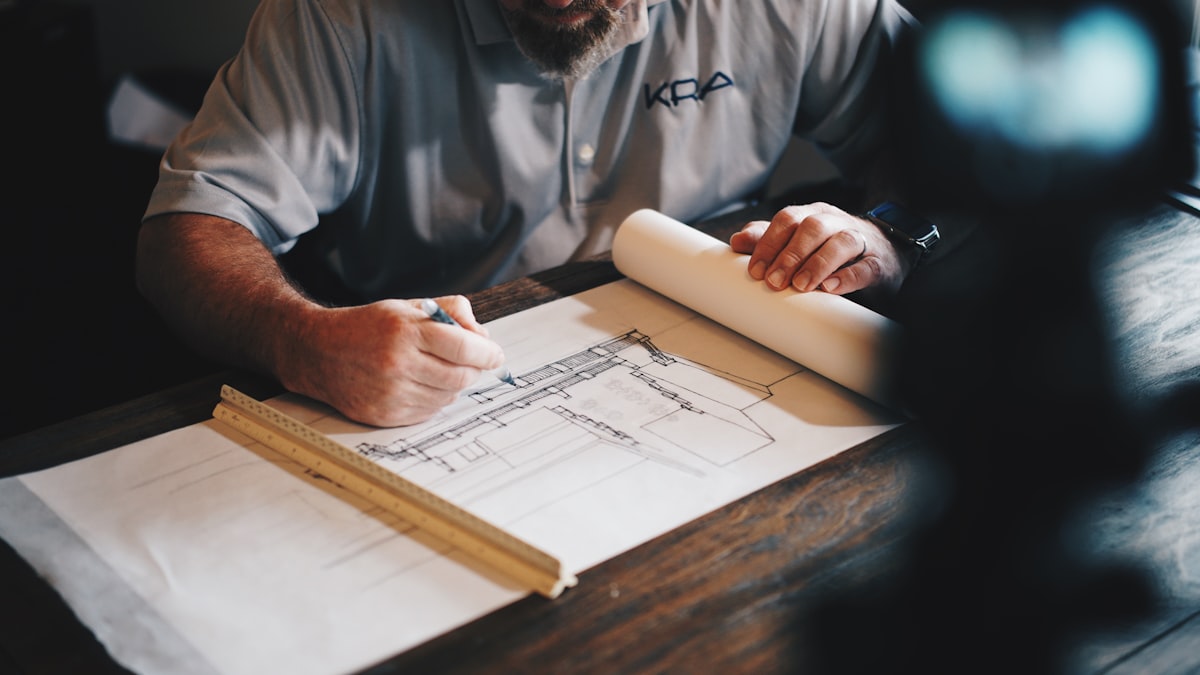
Accurate square footage calculations prevent costly material shortages and eliminate paying for excessive waste.
Quick Answer: How Much Does Area Impact Cost?
$3.00 – $12.00 per sq. ft. for standard updates
For standard interior updates like flooring, painting, and minor carpentry, homeowners typically spend between $3.00 and $12.00 per square foot. Basic cosmetic updates sit at the highly affordable lower end, while premium material installations, custom tile work, and comprehensive room overhauls range from $15.00 to $45.00+ per square foot depending on the project scope and structural modifications.
Square Footage Cost by Project Type
Total project expenses scale directly with your measured square footage and the specific construction category. Below is a breakdown of typical fully-installed pricing ranges based on project size.
| Project Category | Small < 500 sq. ft. |
Mid-Range 500 – 2,000 sq. ft. |
Large > 2,000 sq. ft. |
|---|---|---|---|
| Flooring Installation (All Types) | $1,500 – $3,500 | $3,500 – $12,000 | $12,000 – $24,000+ |
| Drywall Installation & Painting | $1,000 – $2,200 | $2,200 – $7,500 | $7,500 – $15,000+ |
| Custom Tile & Masonry Surfaces | $2,000 – $4,500 | $4,500 – $15,000 | $15,000 – $28,000+ |
| Complete Room Gut & Remodel | $7,500 – $15,000 | $15,000 – $45,000 | $45,000 – $90,000+ |
| Deck, Patio & Exterior Additions | $2,500 – $6,000 | $6,000 – $18,000 | $18,000 – $35,000+ |
Square Footage & Cost Estimator
Enter your dimensions or raw square footage below, select your project type, and get an instant real-time cost analysis.
Includes baseline local materials, professional installation labor, and standard site preparation.
How Square Footage Cost Is Calculated
Professional contractors and project estimators evaluate four primary variables to build an accurate, binding quote based on your measurements:
Total Area (Sq. Ft.)
The raw square footage directly determines the volume of raw materials required, from flooring boxes and drywall sheets to paint gallons.
Material Selection
Material costs vary wildly. A square foot of basic sheet vinyl or standard carpet padding costs a fraction of custom-milled hardwood or imported marble.
Labor & Complexity
Working in a perfectly square, empty room is fast. Navigating tight angles, custom cutting around unmovable fixtures, and prepping damaged subfloors adds overhead.
Geographic Location
Local supply chain logistics, regional operational overhead, and state-specific licensing directly influence your final contracted rate.
Square Footage Layout Comparison
Not all square footage is created equal. The shape and accessibility of your measured area strongly dictate the required material waste factor and labor intensity. Compare common layouts below:
Simple Rectangular Rooms
Lowest Waste FactorStandard bedrooms, living rooms, and simple basements with straight walls and 90-degree corners. These spaces require the absolute minimum material waste factor (typically 5% to 7%) because installers can utilize nearly full lengths of materials without complex custom angled cuts.
Multi-Room & Open Concept
Moderate ComplexitySpaces that flow continuously from a kitchen into a dining and living area without dividing walls. While measuring the total square footage requires breaking the floor plan into individual interlocking rectangles, installation requires careful layout planning to maintain straight sightlines across long distances.
Irregular & Angled Spaces
High Waste FactorRooms featuring bay windows, angled custom fireplaces, curved walls, or structural support columns. These areas demand a higher material waste factor (10% to 15%) because standard straight-edged materials must be custom-scribed and cut, leaving off-cut pieces that cannot be reused elsewhere.
Staircases & Vertical Surfaces
Maximum Labor IntensityCalculating the square footage of a staircase requires measuring the width and depth of each individual tread and riser, then multiplying by the total number of steps. Because every single piece requires custom cutting and specialized edge nosing, staircases carry a significant labor premium over flat square footage.
Exterior & Custom Footprints
Environmental ConsiderationsMeasuring outdoor square footage for custom decks, concrete patios, or exterior siding. These calculations must account for the natural slope of the land, necessary ground preparation, and specialized weather-resistant fastening systems that scale directly with the size of the footprint.
Common Square Footage Project Costs
To help visualize realistic project budgeting, here are detailed cost estimates for the most frequently measured residential spaces:
Standard Bedroom (150 – 200 sq. ft.)
A typical 12′ × 15′ sleeping space. Updating the flooring and applying fresh interior paint across this highly accessible area.
Kitchen & Dining (300 – 450 sq. ft.)
Measuring the open floor space around cabinetry and islands to install highly durable, 100% waterproof rigid-core flooring.
Finished Basement (600 – 1,000 sq. ft.)
A massive open subterranean footprint. Subfloor leveling and setting continuous premium surfaces across the entire zone.
Whole House Interior (1,500+ sq. ft.)
Complete square footage measurement for a full-scale multi-room cosmetic update, ensuring perfectly matched material flows.
Formula Summary
Our interactive calculator uses a transparent, industry-standard estimation model to evaluate your inputs:
- Area: Total square footage entered directly or calculated via Length × Width.
- Material: Baseline cost per sq. ft. based on the specific project and material chosen.
- Labor: Multiplier reflecting site accessibility, necessary prep work, and layout complexity.
- Location: Index adjusting for regional supply costs and economic baselines.
Material prices vary by region, season, and supplier. When ordering physical products based on your square footage, always consult with your supplier to add the appropriate waste factor (typically 5% to 15%) to ensure you do not run short during installation.
Estimates are for planning purposes only. Consult a qualified contractor for critical projects. Actual material requirements may vary based on site conditions, waste, and installation methods.