Water Damage Repair Estimator & Restoration Cost Guide
Water damage from burst pipes, appliance leaks, or severe flooding requires swift professional intervention to prevent permanent structural decay and toxic mold growth. From simple clean water drying to complex black water sewage cleanups, understanding the precise factors behind restoration costs is essential. Use our guide and interactive estimator to calculate clear, hyper-local pricing.
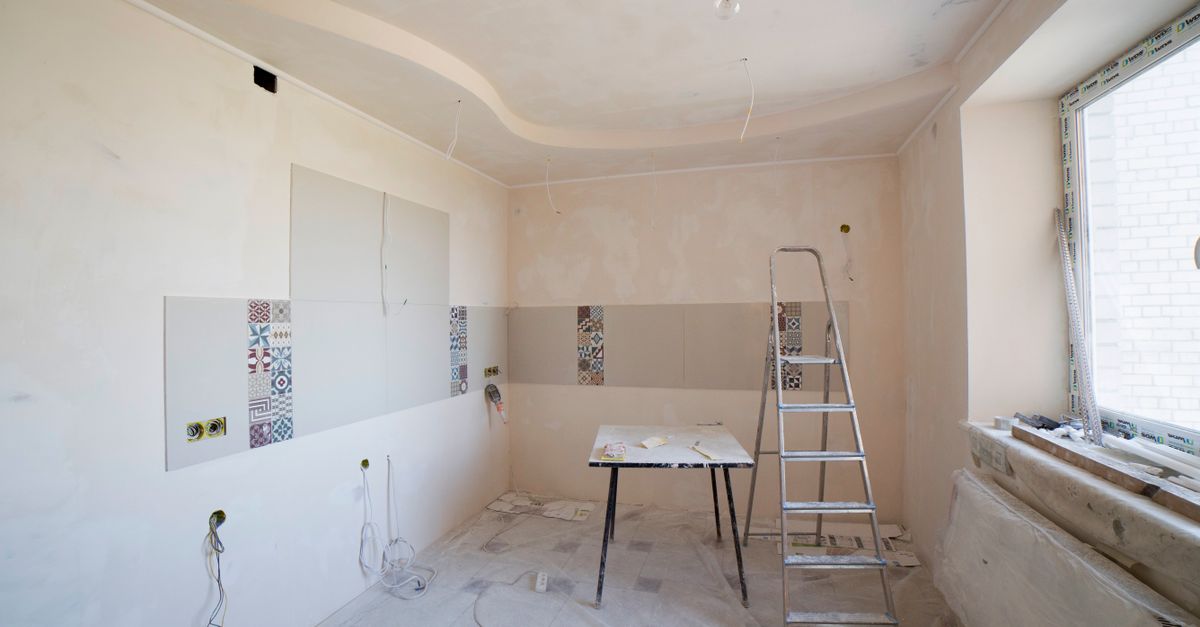
Immediate water extraction and commercial-grade dehumidification halt secondary structural rot and save thousands in demolition costs.
Quick Answer: What Is the Average Cost?
$4.00 – $12.00 per square foot
For professional residential and commercial water damage restoration, property owners typically spend between $4.00 and $12.00 per square foot including emergency extraction, structural drying, and sanitization. Clean water (Category 1) mitigations sit at the accessible lower end, while highly contaminated black water (Category 3) sewage cleanups, deep subfloor extractions, and complete mold remediation range from $10.00 to $20.00+ per square foot depending on structural penetration.
Water Damage Repair Cost by Type
Total mitigation expenses scale directly with the square footage of the affected water footprint and the biological contamination category of the liquid. Below is a breakdown of typical fully-contracted pricing ranges based on project size.
| Restoration Service Type | Small < 500 sq. ft. |
Mid-Range 500 – 2,000 sq. ft. |
Large > 2,000 sq. ft. |
|---|---|---|---|
| Category 1: Clean Water Extraction & Drying | $1,200 – $2,500 | $2,500 – $8,000 | $8,000 – $14,000+ |
| Category 2: Grey Water Cleanup & Sanitization | $1,800 – $3,600 | $3,600 – $12,000 | $12,000 – $20,000+ |
| Category 3: Black Water / Sewage Remediation | $2,500 – $5,000 | $5,000 – $16,000 | $16,000 – $28,000+ |
| Drywall Cutouts & Structural Dehumidification | $1,500 – $3,200 | $3,200 – $10,500 | $10,500 – $18,000+ |
| Complete Mold Remediation & Subfloor Extraction | $3,000 – $6,500 | $6,500 – $20,000 | $20,000 – $35,000+ |
Water Damage Repair Estimator
Select your contamination category and enter your affected floor area below for an instant, hyper-local restoration cost analysis.
Includes commercial extraction equipment, daily dehumidifier monitoring, biological biocides, and fully insured mitigation labor.
How Water Damage Repair Cost Is Calculated
Professional IICRC-certified restoration contractors evaluate four primary variables to build an accurate, binding emergency quote for your property:
Total Floor Area (Sq. Ft.)
The total affected square footage dictates the baseline linear feet of containment, daily dehumidifier requirements, and commercial extraction crew size.
Water Category
Category 1 Clean water allows materials to be dried directly. Category 3 Black water requires mandatory full demolition, raw sewage sanitization, and specialized hazmat disposal.
Labor & Equipment
Deploying specialized thermal imaging cameras, multi-stage HEPA negative air scrubbers, and weighted floor injection mats adds emergency operational overhead.
Geographic Location
Local emergency demand following storm events, regional structural drying overhead, and municipal hazmat dumping fees directly influence your final contracted rate.
Water Damage Type Comparison
The biological classification of the invading liquid dictates the specific restoration protocols and whether building materials can be saved or must be torn out. Compare the core categories below:
Category 1: Clean Water
Highest Salvage RateOriginates from a sanitary source, such as a broken fresh water supply line, melting ice, or a clean tub overflow. Because it poses no initial biological hazard, carpets, drywall, and hardwood can often be successfully dried and completely saved if professional extraction and commercial dehumidifiers are deployed within 24 to 48 hours.
Category 2: Grey Water
Moderate ContaminationContains significant levels of chemical, biological, or physical contaminants that can cause human discomfort or sickness. Originates from dishwasher discharges, washing machine overflows, or toilet leaks with urine but no feces. Porous materials like carpet padding must be completely removed and replaced, while structural wood and drywall require professional antimicrobial sanitization.
Category 3: Black Water
Severe Biological HazardHighly unsanitary liquid laden with pathogenic raw sewage, heavy bacteria, viruses, or toxic agricultural floodwaters. Direct exposure can cause severe illness. All highly porous materials—including carpeting, padding, upholstered furniture, and saturated drywall—must be immediately cut out, bagged in hazmat containers, and disposed of. Structural studs must be thoroughly cleaned with specialized biocides.
Structural Drywall & Subfloor Drying
Moisture MitigationWater flows downward and outward, wicking several feet up interior wall assemblies and pooling beneath subfloors. Technicians drill targeted airflow holes behind baseboards or remove 2-foot bottom horizontal drywall sections (“flood cuts”) to inject dry air directly into the wall cavity, forcing trapped moisture out before structural wood framing begins to rot.
Complete Mold Remediation
Environmental SanitizationWhen water damage is left unattended for over 48 hours, active mold colonies develop. This protocol requires establishing sealed containment zones with plastic sheeting, operating multi-stage HEPA air scrubbers to capture airborne spores, physically abrading mold from structural materials, and applying specialized antimicrobial barrier coatings.
Common Water Damage Repair Project Costs
To help visualize realistic emergency budgeting, here are detailed cost estimates for the most frequently encountered flood and leak scenarios:
Bathroom Supply Line Burst
Extracting clean Category 1 water across a 120 sq. ft. bathroom floor, running compact air movers, and sanitizing the tile surface.
Kitchen Dishwasher Overflow
Mitigating Category 2 grey water across a 300 sq. ft. kitchen, injecting dry air beneath the custom cabinetry, and removing wet baseboards.
Flooded Finished Basement
Extracting 2 inches of ground floodwater across 600 sq. ft., cutting 2-foot drywall perimeters, and running heavy-duty dehumidifiers for 4 days.
Main Sewer Line Backup
Full Category 3 raw sewage cleanup across 500 sq. ft., complete demolition of all saturated porous surfaces, and heavy antimicrobial biocides.
Formula Summary
Our interactive calculator uses a transparent, industry-standard estimation model to evaluate your mitigation inputs:
- Area: Total affected floor square footage entered directly or calculated via dimensions.
- Material: Baseline cost per sq. ft. based on the specific water category and restoration scope chosen.
- Labor: Multiplier reflecting emergency operational overhead, extraction depth, and containment setup.
- Location: Index adjusting for regional dispatch costs, equipment rental baselines, and disposal fees.
Mitigation and equipment pricing vary by region, season, and local contractor networks. Widespread catastrophic storm events and deep subzero freezes drive massive spikes in emergency equipment availability. Additionally, projects requiring professional post-remediation third-party clearance testing carry independent testing baselines.
Estimates are for planning purposes only. Consult a qualified contractor for critical projects. Actual material requirements may vary based on site conditions, waste, and installation methods.